Tools and truth before you talk to anyone selling.
間
Loading
Privacy
We use privacy-friendly analytics (Plausible — cookieless) plus in-database event counters to understand how Japanoma is used. No personal data, no advertising trackers. See our Privacy Policy.
Remember Italy’s €1 House? How Japan’s Cheap Houses Are Similar — and Very Different
Remember Italy’s €1 House? How Japan’s Cheap Houses Are Similar — and Very Different
15 April 2026
There is a reason stories about ultra-cheap houses spread so quickly.
A village in Italy offers homes for €1.
A rural house in Japan is listed for less than the price of a used ute.
A dream lifestyle suddenly feels closer than the price of a Sydney deposit.
That combination is hard to ignore, especially now. In Australia, inflation is still running above target, housing costs remain one of the biggest contributors to price pressure, and the Reserve Bank raised the cash rate to 4.10% in March 2026. At the same time, home ownership has become markedly harder for younger Australians: the Parliamentary Library notes that Australia’s home ownership rate fell from 70% in 1981 to 67% in 2021, and for people aged 25–34 it dropped from 61% to 43%.
That is why these cheap-house stories hit a nerve with Aussies.
They do not just sound like property stories. They sound like an escape hatch.
An escape from feeling that everything costs more than it should.
An escape from watching interest rates bite harder than expected.
An escape from the grim thought that even if you have done the right things, worked hard, saved steadily, and played by the rules, your kids still might struggle to move out, let alone buy a place of their own.
So when buyers see Italy’s €1 houses or Japan’s cheap akiya, what they are often responding to is not just a bargain.
They are responding to the idea that maybe there is still another way to live.
Maybe life does not have to be defined by a giant mortgage in a major city.
Maybe there is a slower rhythm available somewhere else.
Maybe ownership can still mean something more personal than just chasing capital growth.
Maybe a home can be a base, a seasonal retreat, a family foothold, or a place that gives back time and lifestyle instead of only taking money.
That is what makes Italy’s €1 house story and Japan’s akiya story so compelling. But while they may look similar from a distance, they are not the same opportunity — and not the same risk.
The clearest way to understand the difference is this:
In Italy, the town tells you there is a catch. In Japan, the catch may be hidden in the house.
The Italian version: the catch is part of the pitch
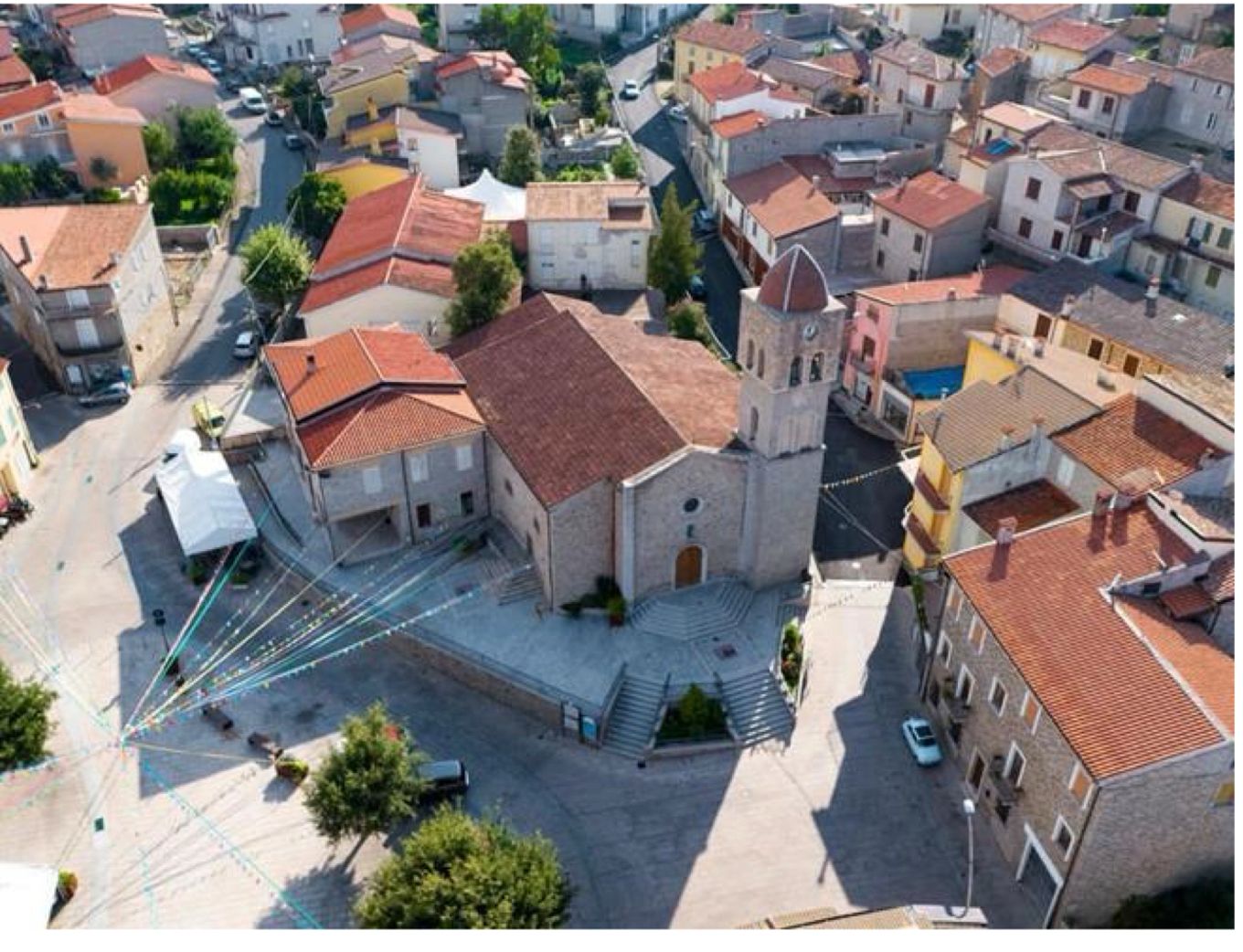
A concrete example is Ollolai, a small municipality in Sardinia.
In an official municipal publication, Ollolai described the €1-house initiative as the first big “shock” that sparked interest “throughout Sardinia and beyond.” In later municipal reporting, the town said the project had brought notoriety, investment, tourists, and hundreds of formal enquiries from around the world. The same reporting also described the initiative as part of a broader community effort to regenerate the town and create activity, work, and hope.
That is what makes the Italian model so instructive.
The town is not pretending the €1 price is the whole story. The low price is the hook, but the renovation challenge is built into the program. Buyers are effectively told: this is a civic revitalisation project, and if you want in, you need to do the work. Ollolai’s own materials tie the scheme to restoring disused homes, attracting outside interest, and turning neglected stock back into something productive for the community.
In other words, the town tells you there is a catch.
That clarity matters.
Even if the project ends up being bigger than expected, the buyer is walking into a known kind of commitment. You are not being sold a mystery bargain. You are being offered an explicit challenge.
Why that resonates with Australians right now
For Australians, that message lands differently than it might have a decade ago.
The appeal is not simply that a house is cheap. It is that the story opens up a different imagination of what property ownership could look like.
For many households, the familiar Australian script feels heavier than ever. Prices have stayed stubborn, housing inflation has remained elevated, and the mortgage conversation is now shaped by a materially higher interest-rate environment than people had become used to. Even when inflation cools from its peaks, everyday life still feels expensive because housing, food, energy, and family costs do not disappear just because the headline rate ticks down.
That creates a deeper frustration.
It is the frustration of feeling that a decent income no longer buys the sense of security it used to.
It is the frustration of watching younger adults stay at home longer because moving out is harder.
It is the frustration of wondering whether your children will inherit not just less affordability, but less choice.
So when people click on stories about €1 houses in Italy or cheap countryside homes in Japan, they are often really asking a more personal question:
Is there still a way to own something meaningful without signing up to the full weight of the Australian housing grind?
That is why these stories appeal to people who want more than just an investment.
They appeal to buyers who want a lifestyle shift. A base in the countryside. A family retreat. A winter home. A slower rhythm. A future that feels a little less boxed in by city prices and monthly repayments. For some, it is about optionality. For others, it is about control. For many, it is about wanting property to support life rather than dominate it.
Why Japan looks similar — until you get closer
Japan’s akiya story taps into the very same emotional current.
It offers the tantalising possibility that somewhere beyond the major-city logic of scarcity and huge deposits, there are still homes ordinary people can realistically buy. It suggests that ownership might still be accessible, and that a second-home lifestyle, rural base, or long-term foothold in Japan does not have to be reserved for the ultra-wealthy.
That is where the comparison with Italy works.
But the similarity starts to break down once you look at how the buyer risk is presented.
Italy’s €1-house story is usually program-led. A municipality is upfront that the house is cheap because the town wants a result: renovation, reuse, activity, regeneration. The challenge is formalised.
Japan is different.
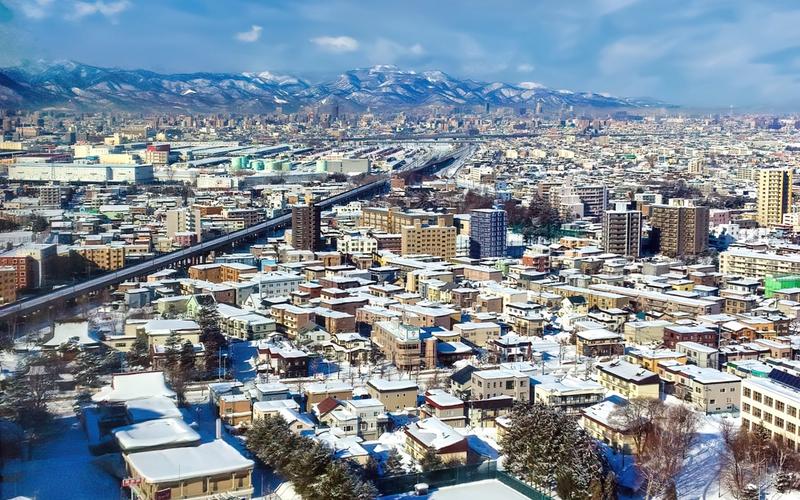
Japan’s cheap-house market is not one single municipal scheme. It is a broad mix of vacant homes, local akiya banks, private listings, brokered sales, inherited properties, under-maintained homes, and stock that may be cheap for very different reasons. Some are viable projects. Some are genuine opportunities. Some are rough but workable. And some are cheap because the problems are deeper than the listing makes obvious.
That is the heart of the difference.
In Japan, the catch may be hidden in the house.
It may be hidden in moisture damage.
Hidden in structural deterioration.
Hidden in the condition of the roof.
Hidden in old plumbing or electrical systems.
Hidden in unclear renovation history.
Hidden in land boundaries, slope risk, flood exposure, or snow-related wear.
Hidden in the fact that what looks atmospheric online is actually a major recovery project in disguise.
The biggest mistake buyers make
The biggest mistake is to let the low price do too much emotional work.
A cheap listing can make buyers feel they have found an answer before they have even understood the question.
But the real question is not, “How little can I buy this house for?”
It is, “What exactly am I taking on, and how long will it take before this house supports the life I want?”
That is a very different decision.
Because the true divide is not between cheap houses and expensive houses.
It is between buying a project and buying readiness.
Some buyers genuinely want a project. They enjoy the process. They have the patience, the local support, the appetite for phased improvement, and the willingness to absorb surprises.
But many overseas buyers are not actually looking for a project, even if bargain listings make them think they are.
They are looking for usability.
They are looking for confidence.
They are looking for a place they can start enjoying within a realistic timeframe.
They are looking for a property that gives them time back, not a property that starts consuming it from day one.
Why this matters even more for Aussie buyers
This is where the Japanese decision becomes especially important for Australians.
Distance amplifies everything.
A small problem is not always small when you live in Australia and the house is in Japan.
A repair delay is not just a delay when it costs flights, time zones, coordination, and lost use.
A paperwork issue is not a minor annoyance when it blocks renovation sequencing or slows your ability to use the property the way you intended.
For an Aussie buyer, the wrong cheap house can become expensive in a very Australian way: not just in money, but in friction.
It costs time off work.
It costs mental load.
It costs family scheduling.
It costs winter seasons you hoped to use.
It costs the momentum and optimism that made the purchase attractive in the first place.
That is why a more expensive but turnkey-ready house can be better value than a bargain akiya.
Not because it is glamorous.
Because it can be strategic.
A ready house can reduce uncertainty.
It can shorten the path from purchase to enjoyment.
It can lower the need for repeated site visits and project management.
It can reduce the odds of discovering nasty surprises after settlement.
And it can return something buyers consistently undervalue at the start: time.
The better way to think about “value”
This is where many bargain-led akiya websites stop short.
They are good at helping buyers find low price points. But low price is only one kind of value.
Another kind of value is certainty.
Another is speed to use.
Another is lower operational risk.
Another is a house that has already had the hardest problems solved.
That means the right starting point in Japan is not always the cheapest house.
Sometimes it is the house that is already structurally sound, legally cleaner, weather-appropriate, easier to operate remotely, and much closer to immediate use.
That kind of house may cost significantly more upfront. But for many serious overseas buyers, especially Australians balancing work, family, and distance, it can still be the smarter buy.
Because the goal is not to win the bargain hunt.
The goal is to buy a property that actually works for the life you want to lead.
Final takeaway
Italy’s €1-house story and Japan’s akiya story both capture the imagination because they speak to something deeper than price.
They speak to fatigue with expensive cities.
They speak to the desire for a different rhythm of life.
They speak to the hope that ownership can still feel meaningful, personal, and within reach.
And for Australians living through years of cost-of-living pressure, elevated housing costs, and worries about what the next generation will realistically be able to afford, that message hits home hard.
But buyers should not confuse similar emotion with similar risk.
In Ollolai and other Italian €1-house stories, the municipality is effectively telling you upfront: this is cheap because it is a town-revival project and you are taking on a renovation challenge.
Japan is different.
Japan can absolutely offer real value. But the value is not always where the headline price suggests it is.
Which is why the sharpest way to frame the comparison remains:
In Italy, the town tells you there is a catch. In Japan, the catch may be hidden in the house.
And for many buyers, that leads to a more mature conclusion:
The objective is not to buy the cheapest house.
The objective is to buy the right starting point.
Sometimes that will be a project.
Sometimes it will be a better-quality, turnkey-ready house that costs more upfront but gives you lower risk, faster use, and a much shorter path to enjoying Japan.
Are You Welcome?
The surprisingly large economic contribution Aussie second-home owners can make in rural Japan — and why buying cheaper may actually make everyone happier A lot of Australians quietly ask the same question before buying in regional Japan: