Loading
Australians And Water
3 June 2026
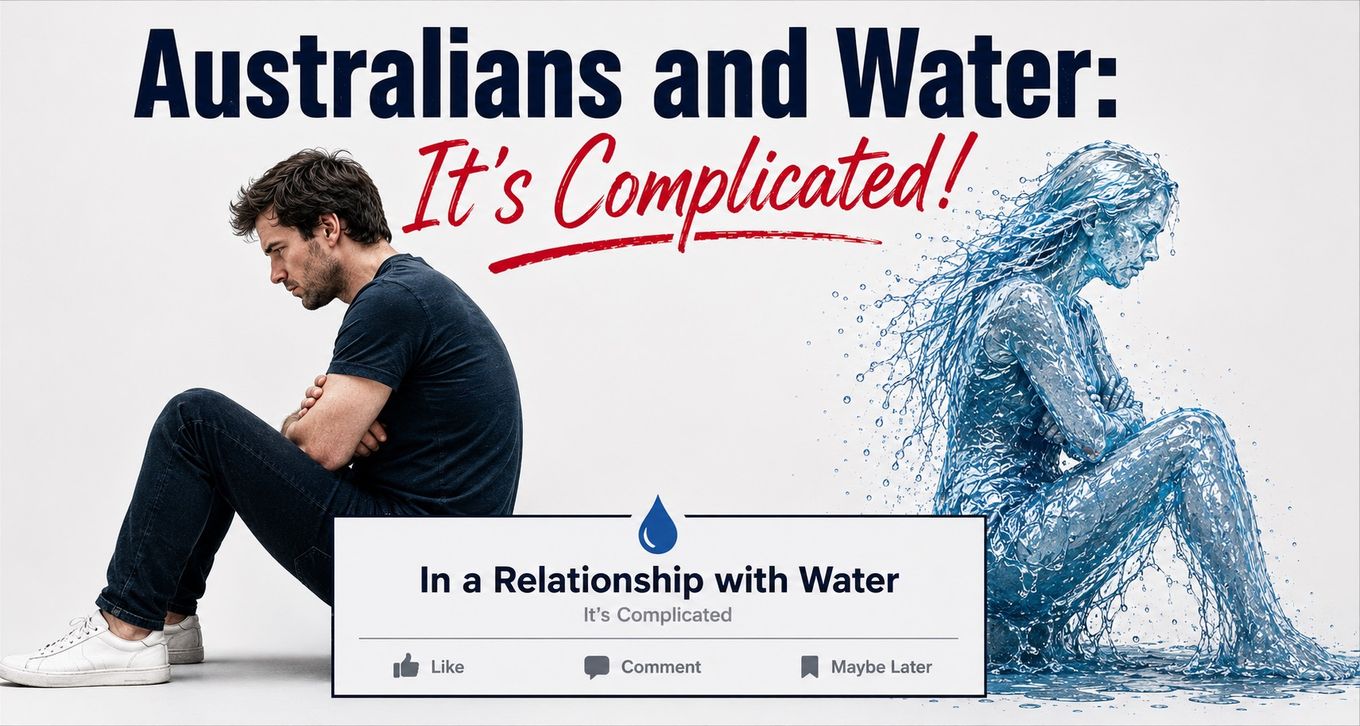
Aussies have a complicated relationship with water. Most grew up with short showers, crunchy brown lawns, and strong parental “suggestions” if the tap stayed on too long. “Don’t waste water” is basically hardwired into the nervous system.
So arriving in regional Japan can feel slightly disorienting. Particularly in mountain and snow regions like Nagano Prefecture, Niigata Prefecture, Yamagata Prefecture, Gunma Prefecture, or Hokkaido, where water often feels abundant in a way that catches Australians off guard.
In many regional towns, water is simply everywhere. Mountain streams running beside homes. Snow-melt channels flowing through town. Rice paddies filled to the edges. Outdoor baths steaming away around the clock like nobody’s checking the water meter every 15 minutes.
And then there’s the bathing culture. In regional Japan, a long hot soak isn’t treated like a once-a-week luxury. It’s just part of daily life. After skiing, hiking, gardening, or surviving a proper snow day, people warm up properly. Deep tubs. Reheating systems. Nearby onsen. Heated wet areas. In colder regions, bathing feels less indulgent and more like basic maintenance for being human. This shift can be oddly emotional.
Not because anyone suddenly becomes reckless with water. Quite the opposite. Japan is generally very efficient and respectful with resources. Life just feels a little less constrained. It might be a subtle thing, but many Australians notice it almost immediately.
Owning a regional Japanese home means learning about things most Australians rarely think about.
Fun things like:
- snow-region plumbing,
- winter pipe protection,
- septic systems in rural areas,
- humidity and ventilation,
- local infrastructure and water fees, and,
- disaster preparation and insurance.
It’s not that Japan is on the other side of some wormhole. Houses still need maintenance, pipes still freeze, nature still wins occasionally. It’s just a different reality where many Australians come away with the same thought:
“I didn’t realise how mentally adapted to drought living I’d become until I spent time here.” Maybe part of the appeal that Japan offers isn’t escaping Australia or pretending Japan is perfect, it’s simply experiencing a different rhythm of life — one that feels increasingly rare.
A hot bath during or after a snowfall. Steam rising into the freezing air. Imagine being soothed by the abundance of a resource you’ve been taught to conserve, and imagine not feeling even slightly guilty about filling the bath.
Thinking About a Regional Japanese Home?
If you’re curious whether regional Japan could realistically suit your lifestyle, budget, or travel habits as an Australian buyer, our platform helps you explore practical second-home opportunities across Japan’s regional towns.
We focus on the real-world details — climate, maintenance, access, ownership costs, and day-to-day lifestyle — so you can make informed decisions before taking the plunge.
Related


