Loading
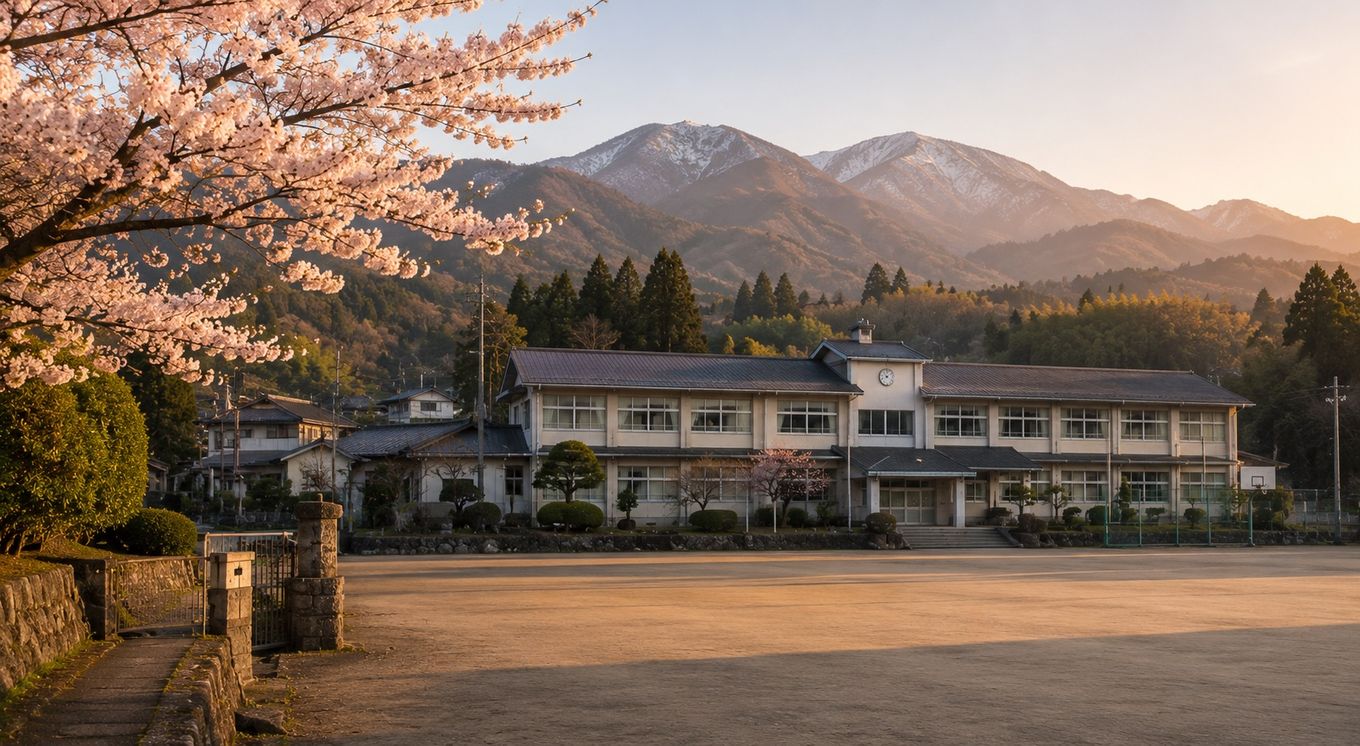
Why Do Japanese Property Listings Always Mention the Distance to Schools?
3 June 2026
One thing that quietly confuses many Australians browsing Japanese property listings is the almost obsessive emphasis on schools.
You’ll constantly see phrases like:
“8-minute walk to elementary school.”
“Close to junior high.”
“Safe school route.”
And if you’re an Aussie looking for a second home near the snow, your immediate reaction is usually something along the lines of:
“Right — but how far is the nearest ramen place and can I walk there in ski boots?”
Fair question.
For many overseas buyers, school proximity feels oddly irrelevant. You’re not relocating permanently. You’re not planning weekday lunchboxes or debating school catchments. You’re trying to work out whether your family can wander home from an onsen without somebody sliding sideways into a snowbank after dinner.
But in Japan, distance to schools has traditionally been a surprisingly important property signal, and understanding why tells you a lot about how Japanese property markets think.
Historically, detached homes in Japan were primarily purchased by local families. That meant homes near schools tended to retain demand more easily, attract future buyers, and generally feel “safer” as long-term property decisions. In regional towns especially, a functioning school often signals something much deeper:
“This community still has life.”
That matters in a country dealing with ageing rural populations and shrinking towns. If the local school closes, people notice. Then the shops notice. Then the cafés notice. Eventually the whole area can begin feeling slightly less alive.
So when Japanese listings proudly mention school proximity, they’re often communicating far more than convenience for Year 4 maths homework. They’re quietly signalling: “This area is still functioning as a real community.”
Schools also tend to correlate with neighbourhoods that are simply easier and safer to live in. Areas near schools often have slower traffic, cleaner streets, better footpaths, safer crossings, and more general day-to-day activity. Parents are walking children. Elderly residents are gardening. Local volunteers are standing near crossings in bright safety vests looking astonishingly committed to pedestrian management before most Australians have even considered coffee.
To Japanese buyers, all of this subtly signals neighbourhood stability.
To Australians, it can initially feel mildly suspicious.
“Why is everything so organised?”
“Why are there no potholes?”
Related


