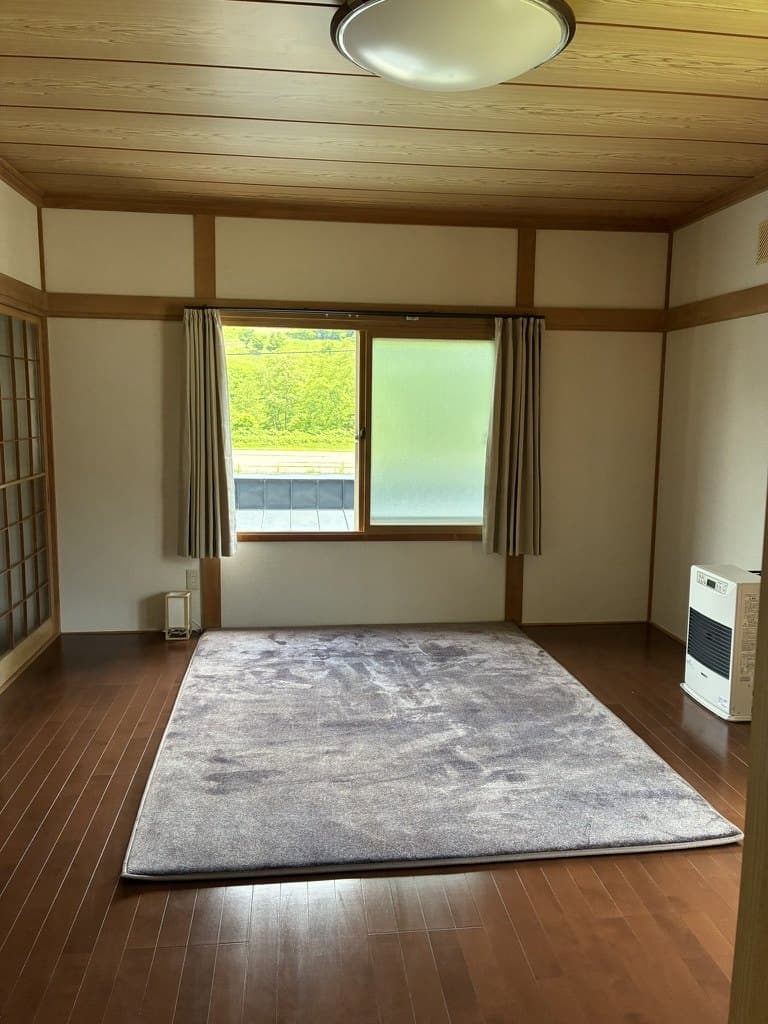
Is it safe?Key moment08:34 in the full recording
The agent told me the truth
Why Japanese real estate felt more honest than Australian real estate.
Listen to this chapter
Transcript
- MichelleAnd one of the key differences I have noticed, off the top of the list,
- is that Japanese agents, and the Japanese contacts that look after these homes, are very, very honest.
- JapanoMaAh, okay.
- MichelleSo instead of the usual Australian real estate spiel, that it's a fixer-upper or it's a bargain, the agent was very honest and said,
- It is beautiful. It's been vacant since 2020. It will cost you about $100,000 to renovate it.
- So I've noticed, through the whole journey, that if you ask the right questions,
- the Japanese culture, even in the real estate space, is very open, very transparent, very honest.
- And that makes you able to make the right decision. And I really valued that because,
- as you would know, that's not always how real estate works in Australia.
- JapanoMaNo, not at all.
Transcribed from the recording. Lightly punctuated for reading.
Most of Michelle's early research happened online from Australia, so clear information about property condition and renovation risk was essential.
The first house she fell for was a traditional wooden home in Shintoku. One agent explained that it had been vacant since 2020 and could require approximately A$100,000 in renovation work. That information allowed the family to step back and decide it was not right for them.
It is beautiful. It's been vacant since 2020. It will cost you about $100,000 to renovate it.
What this may mean for you
A home can look perfect online while hiding costs that completely change the decision. Remote research can narrow your options, but inspection, verification and the right professional support still matter before you commit serious money.
See the questions to ask before committingMichelle’s experience, told in her words. Not a cost promise, legal advice or a general claim about risk.